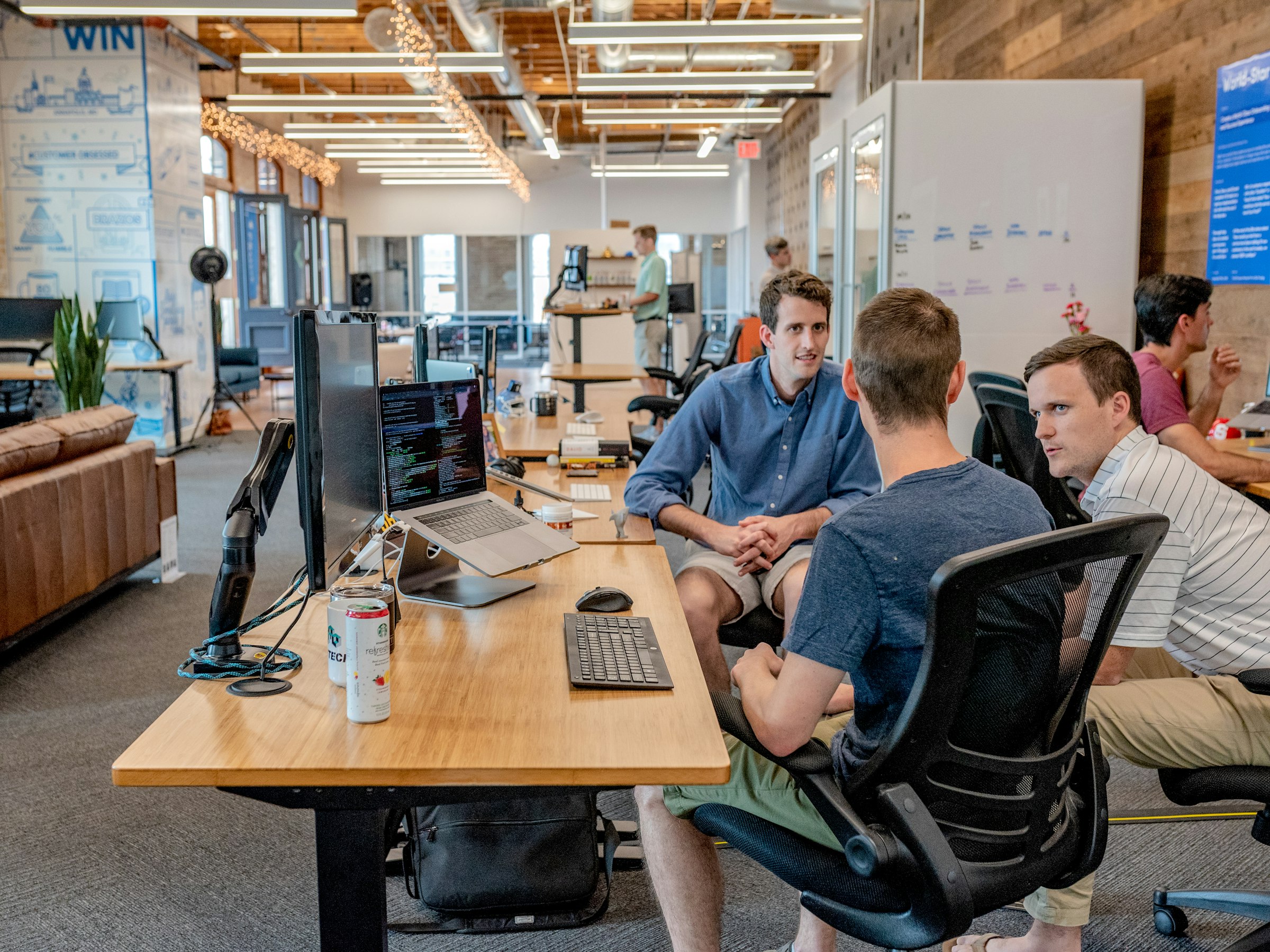
Editorial photograph of cost analysis charts on a laptop screen in a finance review
Advisory Services · Cost Optimization

IT cost optimization. The contract is the quickest server to switch off.

Buyer side IT cost optimization. We cut licensing, renewal, cloud commit, and support cost without forcing migrations. Savings are negotiated, not just found.

Contact Us Spend Health Check
500+Enterprise Clients
$2B+Under Advisory
Industry Recognized
500+ Enterprise Clients
$2B+ Under Advisory
11 Vendor Practices
100% Buyer Side Independent
Key Takeaways

The short version.

  • IT cost optimization that ignores contracts optimizes the small half of the budget. Licensing and vendor terms move faster than infrastructure.
  • Six levers: license optimization, renewal negotiation, audit posture, cloud commit restructuring, support reduction, and shelfware removal.
  • Savings must be negotiated to be real. A finding without a vendor concession is a slide, not a saving.
  • Across 2024 to 2025 engagements, 15 to 30 percent estate level reductions were typical inside 12 months.
  • Shelfware runs 18 to 35 percent in mature estates and is the fastest lever to pull.
  • Every saving must survive the next renewal. One time discounts that reset are vendor financing, not optimization.

What are the six levers of IT cost optimization?

Six levers cover most of the addressable spend. Each is contractual, which means each can be executed without a migration project.

The six levers

LeverTypical yieldTimeframe
License optimization (editions, SKUs, options)10 to 25% of vendor line60 to 90 days
Renewal negotiation15 to 30% vs vendor first offerRenewal cycle
Audit postureAvoided claims, 10 to 30c per claimed dollarContinuous
Cloud commit restructuring10 to 25% of commitQuarter
Support and maintenance reduction30 to 60% of support line6 to 12 months
Shelfware removal18 to 35% of seats in scope30 to 60 days

Where does the waste actually sit?

Waste concentrates where metrics are complex and renewals are automatic. The big five lines are Microsoft 365 SKU mix, Oracle database options, Salesforce seat tiers, VMware core counts, and oversized cloud commits.

The SKU mix problem

Most enterprises buy the top SKU for the whole population. Mapping actual usage against published product terms routinely moves 30 to 50 percent of users down a tier with no capability loss.

Cloud list rates are public: AWS pricing and Google Cloud pricing. The committed discount against them is negotiated, and oversized commits surrender it.

The support line

Legacy support contracts renew at 20 to 22 percent of license value for software that no longer changes. Third party support cuts that line by half or more where the roadmap justifies it.

How does a 90 day optimization sequence run?

Ninety days is enough to baseline the estate, pull the fast levers, and stage the negotiated ones. The sequence matters: data first, quick wins second, negotiations staged to renewal dates.

  1. Days 1 to 30: entitlement and consumption baseline across the top 10 vendors.
  2. Days 31 to 60: shelfware removal and SKU right sizing. No vendor permission needed.
  3. Days 61 to 90: renewal strategies built for everything inside 12 months, benchmarked via the benchmark program.

How do you make savings survive the next renewal?

Savings stick when they are structural: metric changes, cap clauses, and right sized commitments. They evaporate when they are one time discounts against an unchanged baseline.

Caps and floors

Every renewal should carry a price increase cap and a true down right. A discount without a cap is a loan from the vendor at next renewal's rates.

Where the common advice on IT cost optimization is wrong

The common advice is to start with cloud waste dashboards and rightsizing instances. We disagree. In roughly 8 of 10 engagements Fredrik Filipsson benchmarked in 2024 to 2025, the licensing and renewal lines yielded 2 to 4x more saving than infrastructure tuning, in half the time and with no engineering dependency. The buyer side move is to run the contract levers first and let infrastructure follow. FinOps without licensing is optimizing the visible third of the bill.

Analyst reviewing a spend dashboard with charts on screen
Infrastructure dashboards make waste visible. Contracts make the reduction permanent. The two programs are not the same discipline.
15 to 30%
Estate level reduction inside 12 months
2 to 4x
Licensing yield vs infrastructure tuning
90+
Cost engagements 2024 to 2025

Source: Redress Compliance advisory engagement file, 2024 to 2025.

Every dollar of negotiated saving is worth two found on a dashboard, because the negotiated one is still there next year.

What to do next

  1. Baseline the top 10 vendor lines: contract, consumption, renewal date.
  2. Run the spend health check to locate the waste concentration.
  3. Pull the no permission levers first: shelfware, SKU mix, dormant seats.
  4. Stage renewal negotiations 9 to 12 months out with independent benchmarks.
  5. Insert caps and true down rights at every renewal touched.
  6. Review support lines for third party support candidates.

Frequently asked questions

What are IT cost optimization services?

IT cost optimization services reduce technology spend through licensing, renewal, cloud commit, and support levers. Buyer side firms negotiate the reductions with vendors rather than only reporting findings.

How much can IT cost optimization save?

Across our 2024 to 2025 engagement file, 15 to 30 percent estate level reductions inside 12 months were typical, with licensing levers contributing most of the yield.

How is this different from FinOps?

FinOps optimizes cloud consumption against existing contracts. Cost optimization renegotiates the contracts themselves. The largest savings sit in the contract layer.

Do savings require migrations?

No. The six levers are contractual. Migration threats create leverage, but the savings execute on paper.

What is the fastest lever?

Shelfware removal and SKU right sizing, typically executed in 30 to 60 days without vendor permission.

How do you charge?

Fixed fee or hourly, scoped per engagement. No percentage of vendor spend, no reseller margin.

How do we keep the savings?

Structural terms: increase caps, true down rights, and right sized commits. We negotiate these into every renewal we touch.

Locate your waste concentration in 15 minutes.
Open Tool →
Talk to us · Oracle

Engage Oracle licensing experts.

Engage our Oracle licensing experts for a ULA exit, a Java audit, or a database renewal. We rebuild the entitlement position and reset the deal on a buyer side basis.

Independent. Buyer side. Zero reseller margin, zero referral fee, zero vendor influence.

Open the Oracle ULA Decision Framework

Open the buyer side paper in your browser. Corporate email only.

Open the Paper →