
Customers who defined the entity scope themselves captured 8 to 14 points more discount than those who accepted the default global inclusion, because whoever writes the scope decides what the discount is measured against
A global agreement is sold as procurement simplification. It is a measurement exercise, and the side that arrives with the measurement sets the band.
Prepared by Redress Compliance · August 18, 2026 · SAP advisory. 30 to 40 SAP global agreement negotiations advised, 2024 to 2025.
Executive summary
Defining entity scope intentionally was worth 8 to 14 discount points against accepting the default global inclusion that SAP proposes, across the negotiations advised.
A buyer side FUE counter model reduced the S/4HANA Cloud user count by 18 to 35 percent against SAP's default conversion, which is a quantity argument rather than a price one.
Indirect access surfaced after signing in roughly half the deals where discovery was skipped, adding 5 to 12 percent in unbudgeted Digital Access cost to a vehicle already locked for three to five years.
The framework and the discount are two different instruments. The Global Agreement Program provides the legal vehicle and the Global Volume License provides the discount mechanism, and they are negotiated separately.
What are GAP and GVL, and why separate them?
The Global Agreement Program is the legal framework and the Global Volume License is the discount mechanism. Enterprises running 30 plus countries and 50 plus legal entities typically use both, and the commercial terms sit in the SAP agreements library.
Treating them as one instrument is the first mistake. The framework decides who is inside the deal and the discount mechanism decides what that population pays, and the first question determines the answer to the second.
| Instrument | What it governs | What the buyer decides |
|---|---|---|
| Global Agreement Program | The legal vehicle across entities and regions | Which entities are actually in scope |
| Global Volume License | The discount mechanism against aggregated volume | What volume the discount is measured on |
| FUE conversion | How users convert under S/4HANA | Whose conversion model is used |
| Digital Access | Indirect use by third party applications | Whether exposure is discovered before or after signing |
Three to five years is a long time to be wrong
A global vehicle locks pricing for the term. Every input above is therefore decided once, and the ones nobody modelled are decided by default in SAP's favour.
Why is entity scope the highest value decision?
Because it sets the denominator. Default global inclusion sweeps every entity into the agreement, which sounds like maximum volume and therefore maximum discount, and it costs optionality that is worth more than the points it buys.
Across the negotiations advised, customers who defined scope intentionally captured 8 to 14 points more discount than those who accepted the default. The difference is not negotiating skill, it is arriving with a documented position.
Whoever writes the scope decides what the discount is measured against. A buyer who lets the vendor draw the boundary is negotiating the percentage on a number the vendor chose, which is the weaker half of the conversation.
The SAP RISE negotiation brief
The entity scope decision, the FUE conversion model, the indirect access discovery, and the ramp structure that survives a three to five year vehicle.
Get the brief →What 30 to 40 global negotiations showed
Across roughly 30 to 40 SAP global agreement negotiations advised between 2024 and 2025, the customers who arrived with a documented entity scope and FUE model captured a materially better band than those who let SAP run the numbers.
Entity scope led. Defining it intentionally was worth 8 to 14 discount points against default global inclusion, which is the single largest lever in the file.
The FUE counter model came second. A buyer side conversion reduced the S/4HANA Cloud user count by 18 to 35 percent against SAP's default, because the default conversion is built to maximise the count.
Indirect access was the expensive omission. Exposure surfaced after signing in roughly half the deals where discovery was skipped, adding 5 to 12 percent in unbudgeted Digital Access cost inside a vehicle already fixed for years.
All three are measurement questions settled before the commercial conversation. The band follows the model, not the other way round.
- Your quote benchmarked against 500,000+ real closed deals, adjusted for size, region, and industry
- Entity scope and FUE conversion modeled against the estate you can evidence
- Indirect access and indexation language flagged with the exact quote and the page
How much does the FUE conversion model move?
Between 18 and 35 percent of the user count, in the buyer's favour, when the buyer builds one. SAP's default conversion maximises Full User Equivalents, which is a reasonable opening position and a poor basis for a five year commitment.
- Map real roles to the lowest defensible user type, rather than accepting a blanket conversion across the population.
- Model the conversion before the transition, not during it, because an S/4HANA migration is when the count gets set.
- Document the model so it survives a change of people, since these agreements outlast the teams that sign them.
Indirect access belongs in the same exercise
Third party applications touching SAP data create Digital Access exposure. Discovering it after signature cost 5 to 12 percent in unbudgeted cost, and the discovery itself is straightforward. It is skipped because nobody owns it.
Which mechanics decide the cost after signature?
Currency conversion, indexation, and whether RISE sits inside the vehicle. Each is a default in the first draft, and each compounds across a three to five year term.
The RISE with SAP inclusion decision should follow the transition timeline rather than the discount headline, and platform components under the Business Technology Platform need their own line in the band.
The indirect access exposure has a pillar of its own in our Digital Access brief, and the posture at renewal is worked in our renewal tactics.
Document the band by product line
ECC, S/4HANA, Ariba, SuccessFactors and BTP do not discount alike. A single blended number hides which line moved and leaves nothing to hold at renewal.
What the negotiations measured, 2024 to 2025
Two cuts of the engagement file frame where the band is actually set.
Extra discount captured by customers who documented scope rather than accepting default global inclusion.
By a buyer side FUE counter model, against the default conversion that maximises the count.
Neither is a price concession. Both are the result of arriving with a model, which is why the preparation window matters more than the negotiation window.
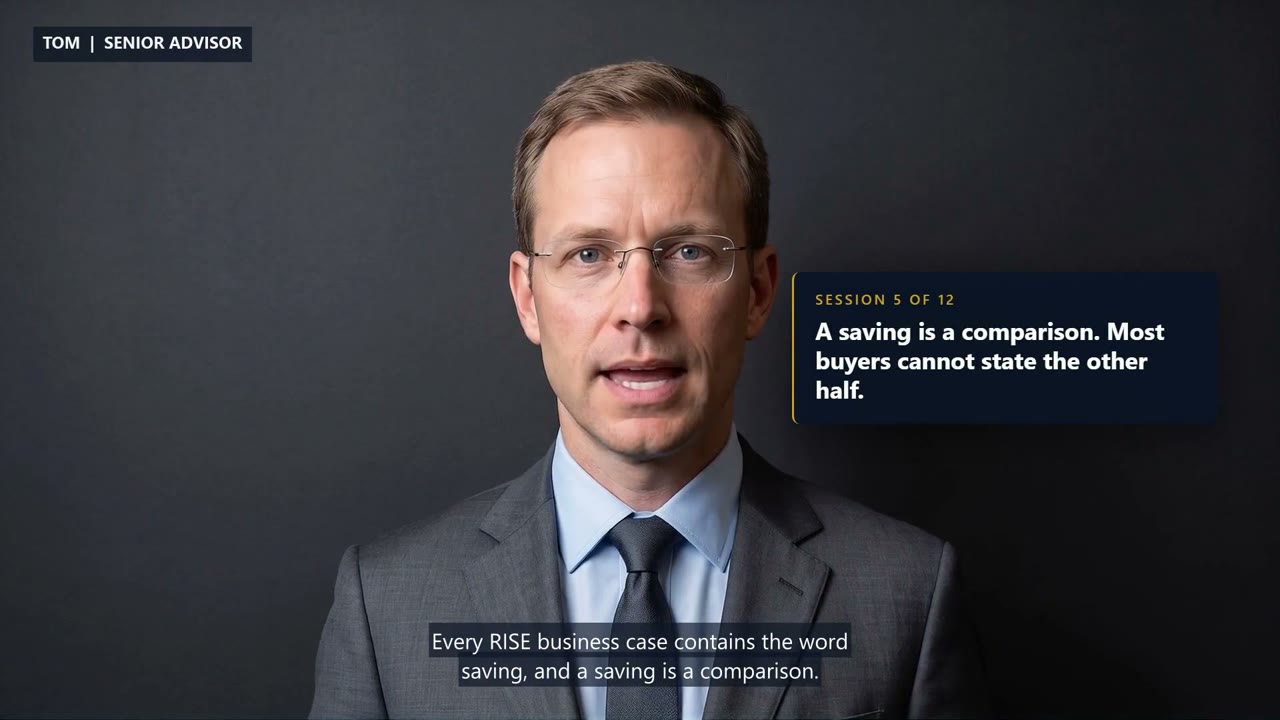 Watch the briefing · 5:31Building the Honest BaselineThe measurement work that decides an SAP band, done before the vendor runs the numbers.
Your first five moves
- Define the entity scope yourself and document it, which was worth 8 to 14 discount points against accepting default global inclusion.
- Build the FUE counter model before the transition, since it reduced the S/4HANA Cloud user count 18 to 35 percent against SAP's default.
- Run indirect access discovery before signing, because skipping it added 5 to 12 percent in unbudgeted Digital Access cost in about half those deals.
- Fix the currency and indexation mechanism explicitly, rather than letting either sit at the first draft default for three to five years.
- Record the discount band product line by product line. The SAP practice builds the model before SAP runs the numbers, which is the whole difference in the file.
Frequently asked questions
What is the difference between GAP and GVL?
The Global Agreement Program is the legal framework across entities and regions. The Global Volume License is the discount mechanism applied to aggregated volume. They are separate instruments and are negotiated separately.
Why does entity scope matter so much?
It sets the denominator the discount is measured against. Customers who defined it intentionally captured 8 to 14 points more discount than those who accepted default global inclusion.
Is default global inclusion ever right?
Sometimes, but it should be a decision rather than a default. Sweeping every entity in looks like maximum volume and costs optionality that is often worth more than the points it buys.
How much does a buyer side FUE model save?
It reduced the S/4HANA Cloud user count by 18 to 35 percent against SAP's default conversion, which is built to maximise the count.
When should the FUE model be built?
Before the S/4HANA transition, not during it. The migration is when the count gets set, and a model produced afterwards is arguing against a number already agreed.
What happens if indirect access is not discovered first?
It surfaced after signing in roughly half the deals where discovery was skipped, adding 5 to 12 percent in unbudgeted Digital Access cost inside a vehicle already fixed for years.
Should RISE be inside the global agreement?
Decide it against the transition timeline rather than the discount headline. Including it for the headline locks a delivery model to a commercial vehicle for the full term.
Why document the band by product line?
Because ECC, S/4HANA, Ariba, SuccessFactors and BTP do not discount alike. A blended number hides which line moved and leaves nothing specific to hold at renewal.
When is the best time to negotiate?
SAP's fourth quarter, October to December, is the discount window. That timing only helps a buyer who already has the scope and conversion models built.
What is the single biggest preparation item?
A documented entity scope. Everything else in the agreement is measured against the population it defines, so it is the first number and the one that moves the rest.
