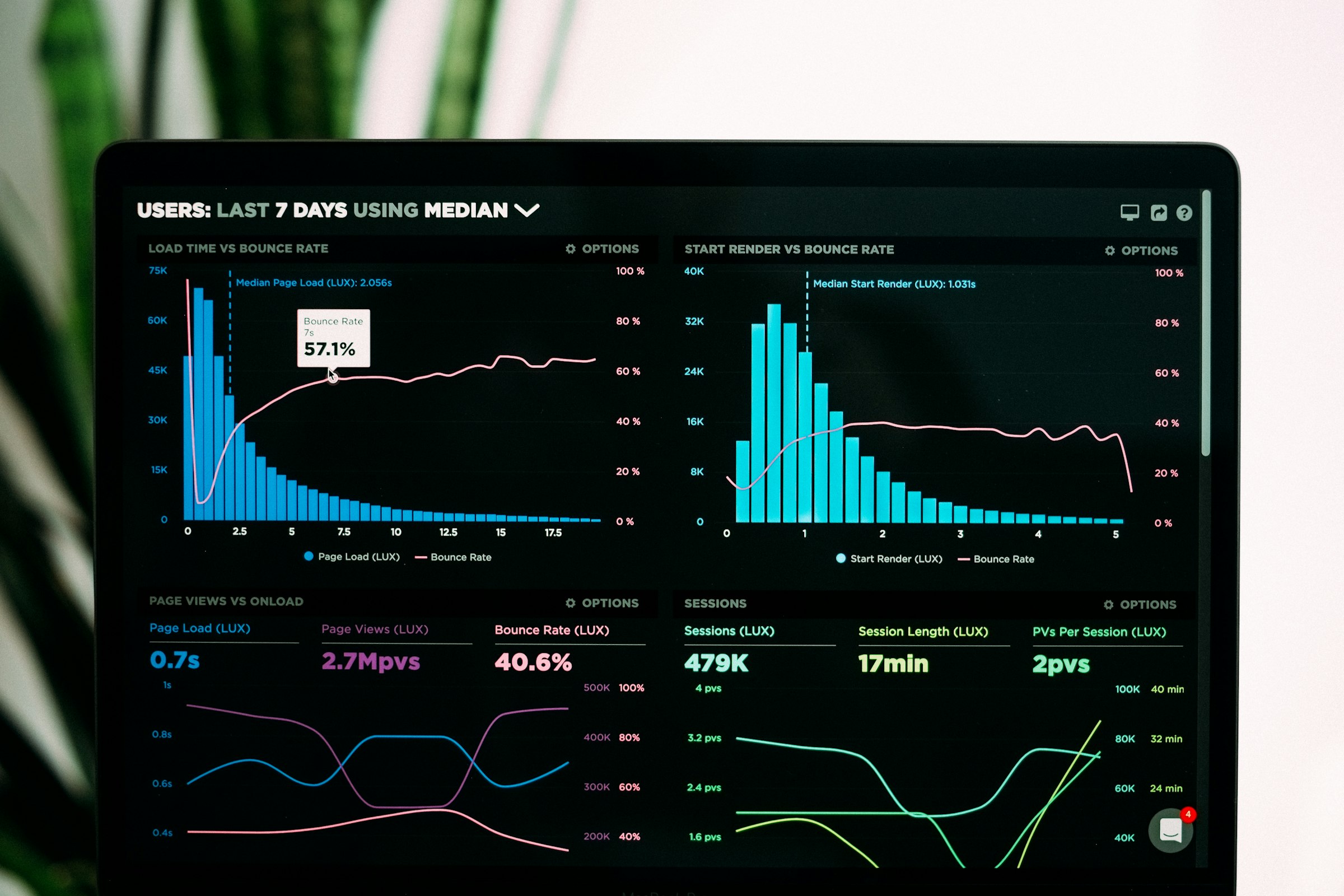
Five buyer side assessment tools for Oracle. Java license calculator, ULA decision framework, EBS named user benchmark, OCI commit modeler, and audit defense readiness checklist.
Redress publishes five buyer side assessment tools for Oracle. Each one encodes the deal database from 500 plus engagements. The output is calibrated to Oracle list price, standard discount bands, and current support uplift rates.
The most consequential Oracle tool. Java pricing changed in 2023 to a per employee metric on the SE Universal subscription. The calculator maps customer employee counts to the new SKU and benchmarks against the old per processor base.
The ULA framework maps the four ULA paths. Enter a new ULA, exit at certification, certify and stay, or restructure to a non ULA contract. The framework computes the breakeven point on each path.
The EBS named user tool audits the named user inventory against actual transaction logs. Most EBS estates carry 20 to 30 percent inactive users. The tool surfaces them before renewal.
The OCI commit modeler validates Universal Credits sizing. The tool maps committed OCPU and storage against projected consumption to find the right commit tier.
The first pass audit tool. Twenty questions across Database, Java, EBS, Middleware, and ULA. The output is a readiness score and a remediation list.
Oracle changed Java pricing in 2023. The metric moved from per processor to per employee on the SE Universal subscription. The new metric is dramatically more expensive on customers with large workforces and small Java footprints.
| Metric | Old (SE Subscription) | New (SE Universal) |
|---|---|---|
| Unit of measure | Processor or named user | Employee |
| List price (per unit per month) | $25 per processor or $2.50 per named user | $15 per employee (tier 1) |
| Customer with 10,000 employees, 50 processors of Java | $15,000 annual list | $1,800,000 annual list |
| Increase | Baseline | 120x |
| Tier discount band | None | Yes, by employee tier |
The buyer side has three escape paths from the new Java metric. Migrate Java workloads to OpenJDK distributions. Run the Java SE Subscription on legacy SKUs if grandfathered. Or negotiate an Oracle Java carve out at signing. Each path has audit risk. The calculator scores all three.
The Oracle Unlimited License Agreement is the largest single contract Oracle sells. The decision at certification is the largest single buyer side leverage point.
The breakeven point is the deployment count at which the ULA subscription costs less than perpetual entitlement plus support. Above breakeven, stay in the ULA. Below breakeven, exit at certification.
Most ULAs do not break even. The buyer signed three years ago at a deployment forecast that did not materialize. Certify, exit, and convert to perpetual is the right call on 60 percent of ULAs we audit.
Run the Java license calculator first if Java is in scope. Run the ULA decision framework first if a ULA is on the table. For all other Oracle estates, start with the audit defense readiness checklist to surface the highest risk areas, then drill into specific calculators.
Accurate to within 5 to 10 percent of contract pricing on standard configurations. The calculators encode our deal database from 500 plus Oracle engagements. Edge cases like ULAs, custom carve outs, and pre 2016 grandfathered pricing require human review.
We recommend against it. The calculator output is buyer side benchmark data. Sharing it with Oracle tips the negotiation. Run the calculator internally, build the negotiation strategy, then engage Oracle with anchored positions.
Yes. The Java license calculator and the Oracle Database SE2 to EE conversion calculator handle BYOL. The OCPU calculator handles BYOL on OCI services.
Yes. All Redress calculators are free. We do not gate them behind a paywall. Some require corporate email registration. None require payment.
Quarterly. Price lists, support uplift rates, and licensing policy changes are reflected within 30 days of Oracle publishing changes.
Yes. We publish 10 calculators across vendors. Microsoft, SAP, Salesforce, IBM, Broadcom VMware, AWS, ServiceNow, Workday, and multi vendor benchmarks. The Oracle set is the most extensive.
We run the buyer side process end to end. We run calculator math internally, benchmark pricing against our deal database, build the negotiation strategy, and sit at the table during the final round. We are not an Oracle partner.
Calculator output is the anchor. Walk into the Oracle meeting with a number you trust and the negotiation reshapes itself.
A buyer side reference on the Oracle ULA decision: enter, exit, certify, or restructure. Deployment math, certification audit, and renewal leverage.
Independent. Buyer side. Written for CIOs, CFOs, and procurement leaders carrying Oracle contracts. No vendor influence. No sales kickback.
Open the white paper in your browser. Corporate email only.
Open the Paper →



Independent buyer side advisory. No vendor influence. No sales kickback. We sit on your side of the table when you negotiate with Oracle.
Monthly. One email. Zero noise.
Once a month. Audit patterns, renewal benchmarks, vendor commercial signals across Oracle, Microsoft, SAP, Salesforce, IBM, Broadcom, AWS, Google Cloud, ServiceNow, Workday, Cisco, and the GenAI vendors. No follow up sales pressure.
Free providers (Gmail, Yahoo, Outlook) cannot subscribe. Work email only. Unsubscribe in one click.
