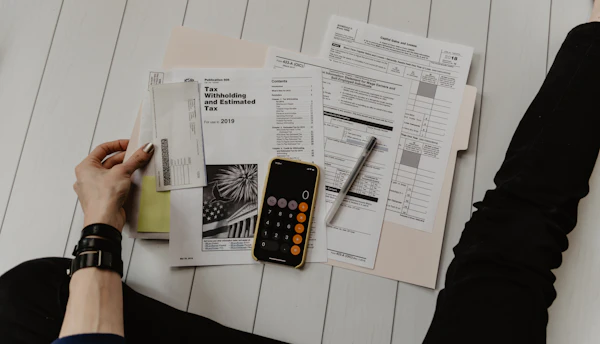
Editorial photograph of a CIO and procurement leader walking through a Microsoft audit response plan in a glass walled boardroom
Article · Microsoft · Audit

Microsoft audit survival, checklisted.

Microsoft audits open quietly. The SAM Engagement letter does not say audit. The settlement letter does. A buyer side checklist closes the gap between the two.

Read the Framework Microsoft Hub
30Day first response window
a leading industry analyst firmRecognized
Industry Recognized
500+ Enterprise Clients
$2B+ Under Advisory
11 Vendor Practices
100% Buyer Side Independent

Microsoft license audits do not arrive as audits. They arrive as Software Asset Management Engagements, partner led reviews, or Cloud Solution Provider true ups. The opening letter avoids the word audit. The closing letter does not.

The buyer side discipline is to treat every Microsoft inquiry as audit grade from day one. Scope the data request, run an internal count, file the position in writing, and negotiate the settlement against documented entitlements.

Read this article alongside the Microsoft knowledge hub, the Microsoft advisory practice, the EA Renewal Playbook, the Microsoft SAM guide, and the Vendor Shield subscription.

Key Takeaways

What a CIO and head of procurement need to know in 90 seconds

  • SAM Engagement is the audit. The letter avoids the word, the process is identical to a formal audit.
  • Respond inside thirty days. A first response inside the window holds the engagement at the buyer side scope.
  • Scope the data request. Microsoft and the partner default to the entire estate. The contract permits a narrower scope.
  • Run the count internally first. The buyer side count sets the position. The Microsoft count tries to widen it.
  • Document the entitlement against the count. EA, MPSA, CSP, OEM, and retail entitlements stack against deployment.
  • Negotiate the settlement, do not accept it. Microsoft opens at list. The benchmark settles at the EA discount.
  • The audit is a renewal moment. Findings convert into renewal volume. Negotiate both at the same table.

Audit triggers

Microsoft does not pick audits at random. The triggers are predictable and observable. A change in the EA volume, a CSP partner change, a hyperscaler migration, or a public restructuring all move the customer onto the engagement list.

Six Microsoft audit and SAM Engagement triggers

TriggerMicrosoft signalBuyer side fixWindow to act
EA volume drop at renewalBPO renegotiation flagDocument the consolidationSix months pre renewal
CSP partner changeTenant ownership transferReconcile the tenant entitlement before transferThirty days pre transfer
Hyperscaler migrationReduced Azure consumption growthDocument the BYOL positionQuarterly
Acquisition or divestiturePress release mentionPre brief the Microsoft account teamPre announcement
Server and CAL gap signalSCCM or Defender data spikeRun the internal SAM tool firstQuarterly
Power Platform usage spikeTenant telemetry upliftAudit the Premium licensingMonthly

The most common audit trigger mistake

The procurement team announces an EA volume reduction without a documented consolidation case. Microsoft reads the reduction signal and opens a SAM Engagement to recover the volume through a finding. The fix is to file the consolidation case before the renewal letter.

Data scope discipline

The opening data request asks for everything. SCCM exports, Active Directory dumps, Azure tenant exports, M365 tenant reports, hardware inventory, and on premises server lists. The contract does not require all of it.

Five data scope tactics that hold

  • Limit to the audited products. A Windows Server audit does not need an M365 export.
  • Scope to the contracted entity. A subsidiary not on the EA does not produce data for the parent audit.
  • Exclude personal data. User identifiers can be hashed or aggregated where possible.
  • Use the customer SAM tool. A buyer side SAM tool produces the count, not a Microsoft script.
  • Sample for retail and OEM. Retail and OEM entitlements can be sampled rather than fully inventoried.

The buyer side fix on data scope

File the scope counter proposal in writing inside the thirty day window. Reference the audit clause of the EA. List the products in scope, the entities in scope, and the data formats accepted. Do not run a Microsoft script on the production estate.

Inventory the buyer side way

The internal count runs against the same data sources Microsoft would use, but with the customer reading. SCCM, Intune, Active Directory, Azure tenant exports, on premises server inventories, and the entitlement stack on the EA portal all feed the count.

Six inventory categories the count must cover

  • Windows Server. Per core licensing, with the sixteen core minimum and the per VM count.
  • SQL Server. Per core or Server plus CAL, with the high availability replica position.
  • M365. User subscriptions counted against active accounts, not provisioned accounts.
  • Office Pro Plus and Office 365 Apps. Device versus user metric counted correctly.
  • Power Platform. Per user Premium versus per app, with the AI Builder credit count.
  • Visual Studio. Subscriber count against active assignment, not historical assignment.

The thirty day first response is the most important moment

Microsoft and the audit partner expect a slow customer response. A first response inside thirty days resets the negotiation posture. The response carries the scope counter, the data request limit, and the engagement governance plan.

The buyer side fix is to treat the SAM Engagement letter as an audit notice from day one. Engage independent advisory before the second letter arrives. Run the inventory in parallel with the response.

Common findings

Microsoft audit findings cluster around the same product categories. Server and CAL deployments, SQL Server core counts, M365 user provisioning, Power Platform Premium, and Office device installs account for most of the recovery dollars.

Six Microsoft audit findings that recur across engagements

  • Server and CAL gap on Windows Server. Devices accessing the server without a CAL counted at list.
  • SQL Server passive replica. AlwaysOn replicas without the Software Assurance entitlement counted at full price.
  • M365 user provisioning. Disabled accounts still counted as active by the audit script.
  • Office Pro Plus install count. Install on five devices per user exceeded by shared devices.
  • Power Platform Premium auto enrollment. Premium triggered by a single Premium connector use.
  • Visual Studio license assignment drift. Historical assignments not deactivated on leavers.

Settlement levers

Microsoft opens settlements at list price multiplied by the deployed gap. The buyer side benchmark settles at the EA discount, with the gap converted into the next EA renewal volume. The conversion is the lever.

Six settlement levers that bend the number

  • Convert the gap into renewal volume. The finding becomes additional EA seats at the renewal discount.
  • Trade the gap for cloud commit. Settle the on premises finding with an Azure or M365 commitment.
  • Carve out non production. Dev, test, and lab environments often do not need the same edition.
  • Apply the contractual remediation window. The EA permits a remediation window to true up before settlement.
  • Negotiate the discount on the gap. The settlement runs at the customer EA discount, not at list.
  • Tie the settlement to a renewal close date. The audit resolution and the renewal close in the same week.

The Microsoft audit is the renewal in disguise. The findings convert into renewal volume. The settlement runs at the same discount as the renewal. The customer that walks the audit and the renewal as one negotiation captures the savings on both sides of the table.

What to do next

The seven step checklist below is the buyer side starting position when the SAM Engagement letter arrives.

  1. Treat the letter as audit grade from day one. Engage legal, procurement, and independent advisory inside seventy two hours.
  2. File the first response inside thirty days. Scope counter, data request limit, governance plan.
  3. Run the internal inventory. SCCM, Intune, Active Directory, Azure tenant, M365 tenant.
  4. Reconcile entitlements against deployments. EA, MPSA, CSP, OEM, retail, and Software Assurance separately.
  5. Document the customer reading. File the position before the auditor files the report.
  6. Negotiate the settlement against the renewal. Convert findings into volume, not into list price recoveries.
  7. Capture the lessons. Update the SAM playbook, the inventory tooling, and the renewal posture.

Frequently asked questions

Is a SAM Engagement the same as a Microsoft audit?

Operationally yes. The SAM Engagement letter avoids the word audit, but the process, the data requests, and the settlement structure are identical to a formal audit under the audit clause of the EA. The customer should treat the SAM Engagement as audit grade from day one and engage independent advisory inside the thirty day first response window.

Can the data scope be limited?

Yes. The audit clause permits a scope counter proposal. The buyer side scope limits the data request to the audited products, the contracted entities, and the agreed data formats. SCCM exports, Azure tenant exports, and M365 tenant reports can be limited to the products in scope. Personal data can be hashed or aggregated. The scope counter must be filed in writing inside the thirty day window.

Should the customer run the Microsoft audit script?

No. Microsoft audit scripts are deliberately broad. The buyer side discipline is to run the customer SAM tool against the same data sources and produce the count from the customer side. The Microsoft script can be reviewed and a sanitised version run in a sandbox if needed. The production count runs through the customer tool.

What is the typical settlement discount?

Microsoft opens at list price multiplied by the deployed gap. The buyer side benchmark settles at the customer EA discount, often a fifty to seventy percent reduction off list. The most common settlement structure converts the gap into additional EA renewal volume rather than a cash recovery. The discount on the renewal volume runs at the customer EA discount level.

Does the audit clause apply to CSP and OEM?

The EA audit clause applies to EA covered products. CSP entitlements run through the CSP partner agreement and have a separate audit clause. OEM and retail entitlements have their own terms. The buyer side discipline is to keep the entitlements separated in the inventory and respond to each audit clause separately. A SAM Engagement that crosses agreement boundaries needs a counter proposal limiting scope to one agreement at a time.

How does Redress engage on Microsoft audits?

Redress runs Microsoft engagements inside Vendor Shield, the Renewal Program, the Benchmark Program, and the Software Spend Assessment. The work covers SAM Engagement scoping, data request limits, internal inventory production, settlement negotiation, and renewal alignment. Always buyer side, never Microsoft paid.

How Redress engages on Microsoft

Redress runs Microsoft engagements inside the Vendor Shield subscription, the Renewal Program, the Benchmark Program, and the Software Spend Assessment. The Microsoft commercial leadership sits with the Microsoft Practice Lead.

Read the related benchmarking, about us, locations, and contact pages.

Score your Microsoft audit readiness against the buyer side benchmark in under five minutes.
Open the Audit Defense Readiness Checklist →
White Paper · Microsoft

Download the Microsoft EA Renewal Playbook.

A buyer side reference on Microsoft commercial leverage, the SAM Engagement scoping, the audit defense levers, the renewal volume conversion math, and the settlement discipline. Built from hundreds of Microsoft engagements.

Independent. Buyer side. Written for CIOs, CFOs, and procurement leaders carrying Microsoft estates. No Microsoft influence. No partner kickback.

Microsoft EA Renewal Playbook

Open the white paper in your browser. Corporate email only.

Open the Paper →
30
Day first response
6
Recurring finding categories
EA disc
Settlement benchmark
500+
Enterprise clients
100%
Buyer side

The Microsoft audit is the renewal in disguise. The findings convert into renewal volume. The settlement runs at the same discount as the renewal. The customer that walks the audit and the renewal as one negotiation captures the savings on both sides of the table.

Group CIO
North American financial services group
More Reading

More from this practice.

Microsoft Hub →
Microsoft SAM Guide
Microsoft · Guide
Microsoft SAM Guide
Buyer side SAM discipline.
16 min read
EA Renewal Playbook
Microsoft · White Paper
EA Renewal Playbook
EA renewal masterplan.
18 min read
Microsoft Contract Terms
Microsoft · Article
Microsoft Contract Terms
Contract leverage points.
14 min read
Microsoft Knowledge Hub
Microsoft · Hub
Microsoft Knowledge Hub
Master Microsoft reference.
18 min read
Microsoft Advisory Services
Microsoft · Service
Microsoft Advisory Services
The Microsoft practice.
10 min read
Editorial photograph of enterprise contract negotiation strategy

A Microsoft audit is one buyer side checklist away from contained.

We have run 500+ enterprise clients across 11 publishers. Every engagement starts with one conversation.

Microsoft intelligence, monthly.

SAM Engagement scoping, audit defense levers, EA renewal volume math, M365 entitlement reconciliation, and settlement benchmarks across every Microsoft engagement we run.