
The difference between leverage and exposure was a second platform in production, and estates that had one cut renewal exposure 20 to 40 percent against single platform peers
A threat made without live workloads elsewhere moved pricing by low single digits. A modest migration already running moved it by a different order of magnitude.
Prepared by Redress Compliance · August 18, 2026 · Virtualization estate reviews. 25 to 35 estates reviewed, 2024 to 2025.
Executive summary
Estates with a live second hypervisor cut renewal exposure 20 to 40 percent against single platform peers. The discount shows up on the workloads that stay, not the ones that move.
Roughly 60 to 70 percent of general purpose virtual machines proved portable with modest effort once the estate was tiered honestly rather than defensively.
Diversification programs that started with skills rather than licences hit their migration targets twice as often. The second platform you can operate beats the technically perfect one you cannot.
This is not about leaving. Most diversified estates keep the incumbent for the workloads that genuinely need it. The objective is a defensible mix rather than an exodus.
Why is concentration now a pricing liability?
Because a sole supplier prices against your switching cost, and that cost rises every year you wait. Subscription bundles billed per core reset the cost base, and a single platform estate has no counterweight at renewal.
The risk is not only price. Product roadmaps, support models and partner ecosystems are consolidating too, which narrows the options exactly when they need to be widest.
A credible alternative discounts every future renewal
Not only the next one. That is the difference between a diversification programme and a one time negotiation tactic, and it is why the migration has to survive the signature.
Which workloads move first?
The ones with the least platform coupling. General purpose machines with standard networking and no deep integration into the management stack migrate cleanly and build the operational track record everything else depends on.
| Tier | Profile | Move order |
|---|---|---|
| Tier 1 | General purpose machines, standard networking | First, in waves |
| Tier 2 | Applications coupled to backup or recovery tooling | Second, after tooling parity |
| Tier 3 | Latency sensitive or vendor certified stacks | Third, case by case |
| Tier 4 | Deeply integrated desktop and network virtualization | Often stays where it is |
Score each workload on integration depth, certification requirements and operational tooling. Anything scoring low on all three is tier one, and in most estates that is 60 to 70 percent of the population.
The exit architecture brief
What a credible alternative looks like on paper, and what it does to the renewal it is measured against.
Get the brief →What 25 to 35 virtualization estates showed
Across roughly 25 to 35 virtualization estates reviewed between 2024 and 2025, the difference between leverage and exposure was a second platform in production. Three patterns recur.
- Estates with a live second hypervisor cut renewal exposure 20 to 40 percent against single platform peers.
- Roughly 60 to 70 percent of general purpose machines proved portable with modest effort once tiered honestly.
- Diversification programs that started with skills rather than licences hit their migration targets twice as often.
Threats made without production workloads on a second platform moved pricing by low single digits. Even a modest live migration moved it by far more.
- Your quote benchmarked against 500,000+ real closed deals, adjusted for deal size, region and industry
- Every risky clause flagged with the exact quote, the page, and the replacement language to send back
- Counter emails drafted in your voice, concessions tracked, live coaching on the negotiation call
What are the realistic alternatives?
Four platforms carry production estates today, and the right answer is the one your team can run at two in the morning. Capability matrices matter less than operational readiness, monitoring integration and backup support.
- The Windows hypervisor, strongest where the server licensing is already owned, documented on the Windows Server product page.
- Hyperconverged platforms, cleanest where the hardware refresh points that way, covered on the AHV product page.
- Open source platforms, lowest cost and best suited to capable Linux operations teams.
- Container native virtualization, right where the application roadmap is containers anyway.
Pick one, not two
Running three hypervisors triples the operational surface for marginal extra leverage. The negotiation value comes from credibility, and credibility comes from production workloads rather than from platform count. The comparisons sit in the hyperconverged comparison, the open source comparison and the Windows comparison.
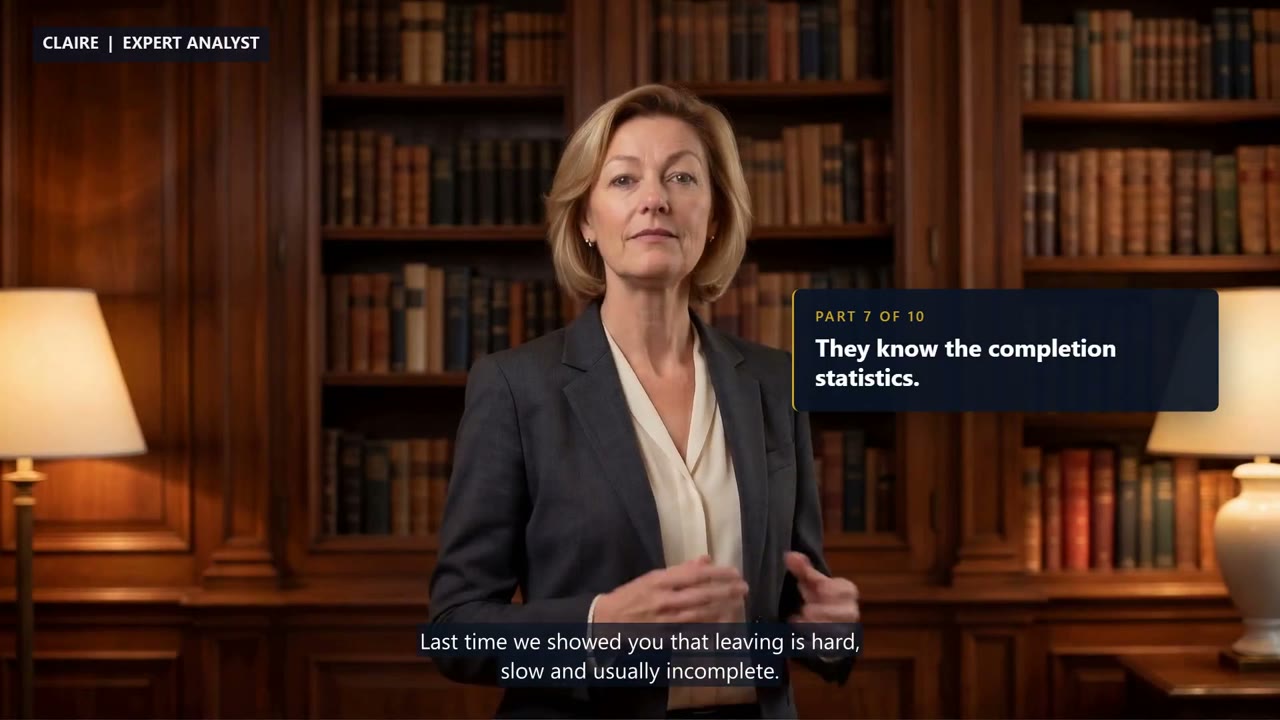 Watch the briefing · 4:32Where Your Leverage Actually IsWhat moves a Broadcom renewal, and what the vendor already knows you cannot do.
How does diversification change the renewal?
It converts the pricing assumption from captive to contestable. Once 20 to 30 percent of workloads run elsewhere, the remaining estate is priced against a demonstrated exit capability rather than a hypothetical one.
You migrate to reprice what you keep
The saving lands on the workloads that stay, which is the part buyers underestimate. You are not migrating to save on the migrated workloads. You are migrating to reprice the ones you keep.
Exit tooling has to survive the renewal or the whole position is hollow. The capability that made the price move is the capability the next renewal will test again, and the wider estate view sits in the licensing pillar.
What you are actually being billed for on the workloads that stay is worked through in core licensing explained, the licensing change impact and the component licensing guide.
What the reviews measured, 2024 to 2025
Two cuts of the engagement file separate a position from a posture.
By estates running a live second hypervisor, measured against single platform peers of comparable size.
General purpose workloads scoring low on integration depth, certification requirements and operational tooling.
The second number is why the first one is achievable. Most estates are far more portable than their renewal position assumes, and nobody scores it until somebody asks for the price.
Your first five moves
- Tier the estate honestly before choosing any platform, scoring integration depth, certification requirements and operational tooling rather than starting from a licence comparison.
- Start with skills rather than licences, because programmes that did so hit their migration targets twice as often as the ones that started with a procurement.
- Pick one second platform, not two, since three hypervisors triple the operational surface for marginal extra leverage.
- Move tier one workloads in waves until 20 to 30 percent run elsewhere, which is the point at which the remaining estate reprices against a demonstrated capability.
- Keep the exit tooling alive after the renewal closes, because the capability that moved the price is what the next renewal will test. The VMware practice costs the migration before the quote arrives.
Frequently asked questions
Is diversification the same as leaving?
No. Most diversified estates keep the incumbent platform for the workloads that genuinely need it. The objective is a defensible mix rather than an exodus.
How much does a second platform save?
Estates running a live second hypervisor cut renewal exposure 20 to 40 percent against single platform peers, and the saving lands on the workloads that stay rather than the ones that moved.
Does a threat work without a migration?
Barely. Threats made without production workloads on a second platform moved pricing by low single digits, while estates with even a modest live migration moved it far more.
How portable is a typical estate?
More than its renewal position assumes. Roughly 60 to 70 percent of general purpose machines proved portable with modest effort once the estate was tiered honestly.
Which workloads move first?
General purpose machines with standard networking and no deep integration into the management stack. They migrate cleanly and build the operational track record everything else depends on.
How do you score portability?
On three axes: integration depth, certification requirements and operational tooling. Anything scoring low on all three is first wave, and that is most of the population.
Should you run two alternatives?
No. Pick one. Running three hypervisors triples the operational surface for marginal extra leverage, and the leverage comes from credibility rather than platform count.
Which alternative is right?
The one your team can operate at two in the morning. Capability matrices matter less than operational readiness, monitoring integration and backup support.
At what point do the economics change?
Once 20 to 30 percent of workloads run elsewhere. The remaining estate is then priced against a demonstrated exit capability rather than a hypothetical one.
What kills a diversification programme?
Starting with licences instead of skills, and letting the exit tooling lapse after the renewal closes. The capability that moved the price is what the next renewal tests.
